What do you know about the water you drink?
Imagine a drop of water in the IJsselmeer, carried through treatment processes, pushed through kilometres of pipes beneath fields, towns, and roads, and arriving at your tap. You drink it. It moves through your body. You release it again. It finds its way back into the system, into soil, into surface water, into the cycle. A never ending journey.
But what happens along the way is far more than just a technical process. Water is in constant relation with everything it touches. It is filtered by sand and soil organisms, carried alongside root systems and microbial communities, shaped by seasons, temperatures, and the health of the landscapes it passes through. It moves between plants, animals, fungi, bacteria, and people. The drinking water system is not merely a filter and a pipeline. It is a living, metabolic system in which human and more-than-human life are inseparably entangled.
Most of this remains invisible. Clean water flows from the tap, and the ecosystems, the labour, and the pressures behind it stay neatly out of sight. Climate change, pollution, salinisation, and rising temperatures are already transforming the conditions under which clean water can be produced. These changes are visible in the landscape: in shifting seasons, in species under pressure, in a system working harder to deliver what once came more easily. But for most people, the tap still works. The glass is still full. The urgency stays abstract.
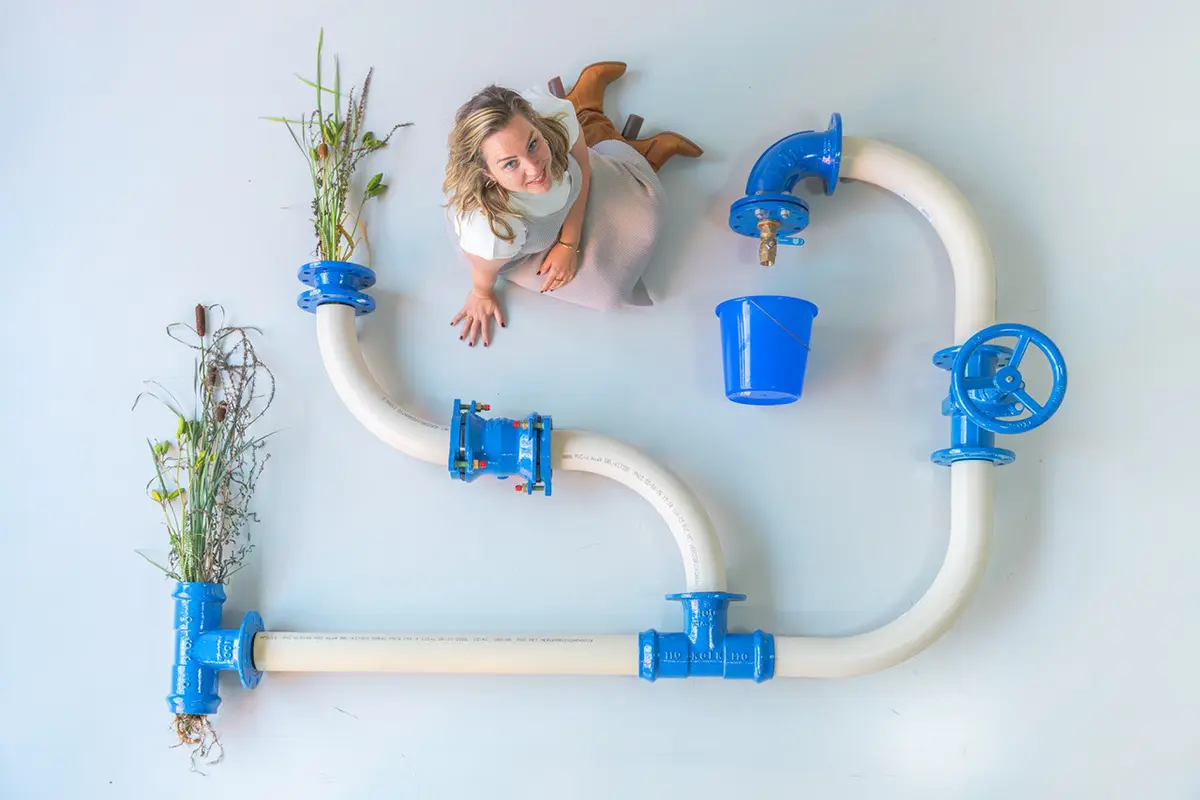
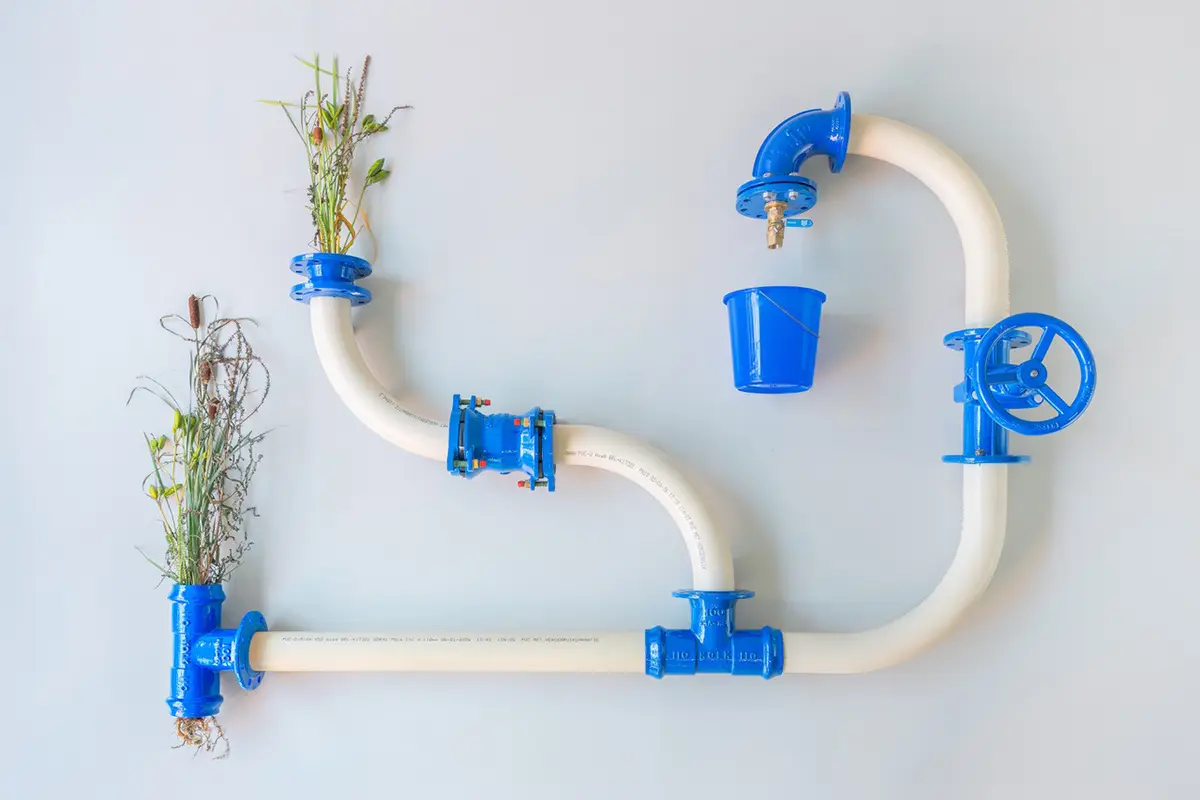
Co/Lab Drinkable Nature (Drinkbare Natuur), commissioned by drinking water company and natural preservation agent PWN, begins with a question: what if we could all drink from nature again? Not as a nostalgic fantasy, but as a compass for the kind of system we want to build. A system where nature is the foundation, not an afterthought.
As Community Curator and Design Lead of this multi-year design trajectory, I am developing a shared narrative about the relationship between people, water, and nature in West-Friesland. Through deep mapping, ethnographic research, and conversations with residents, ecologists, water managers, and policymakers, I investigate the water system from three intertwined perspectives: water as a stakeholder whose needs and movements inform the design process; the metabolic relationships between water and all the life it sustains; and time, both the cyclical rhythms of seasons and the slow, transformative environmental shifts that are beginning to reshape this landscape from within.
The process itself is the outcome. The collaborations, conversations, and shifts in perspective that emerge along the way matter as much as any object or installation. During Dutch Design Week 2026, visitors step into the role of water and follow its journey through the system. Not as a conclusion, but as the beginning of a longer conversation about what it means to share a living system.